

Which B2B Sales Outreach Strategies Actually Work in 2026?
 Shawn Peterson·Jan 29, 2026, 4:50:07 PM
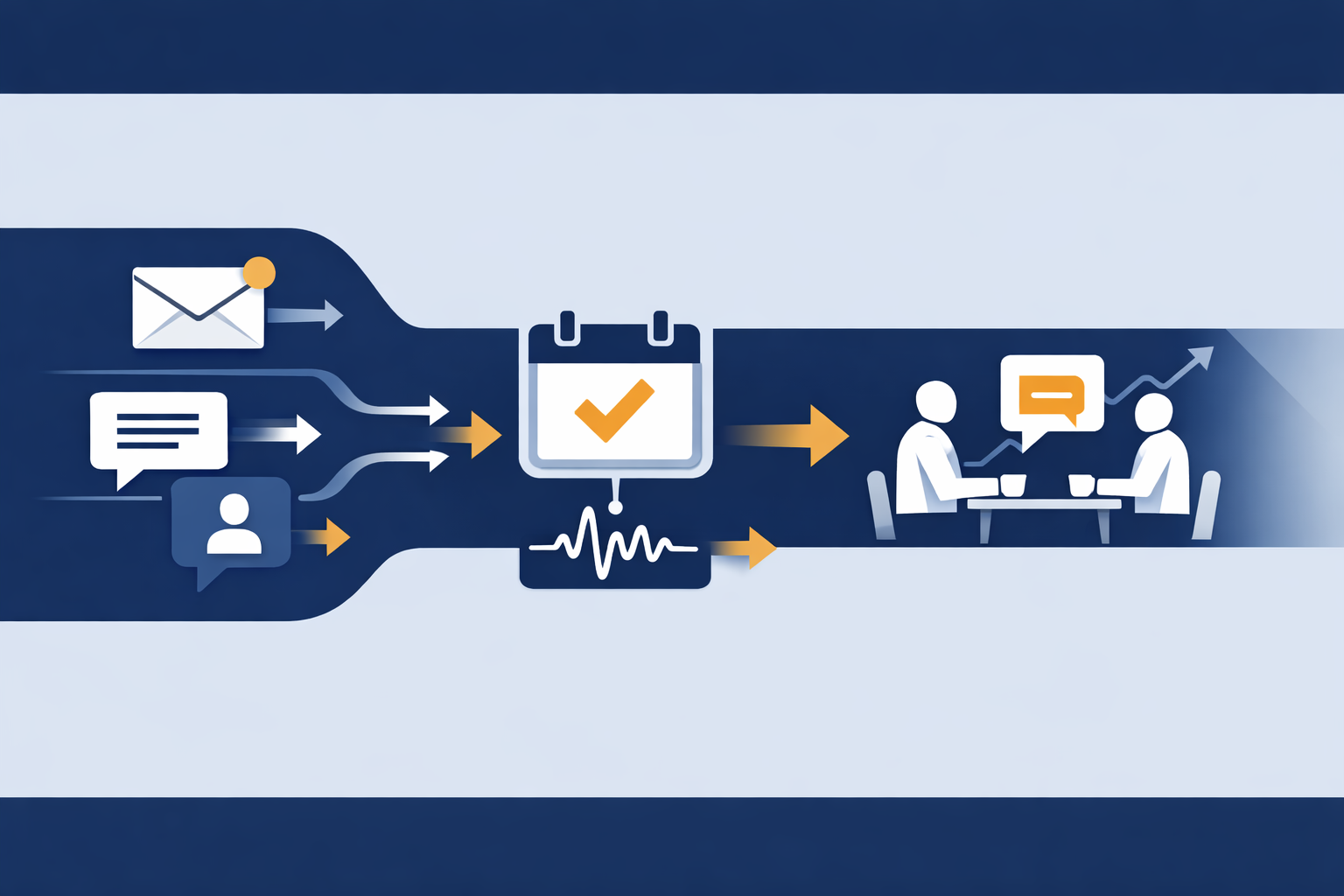
B2B sales outreach hasn’t stopped working. It’s just stopped working the way most teams are still doing it.
Activity is up. Sequences are longer. Tools are smarter. And yet, many Sales Directors feel like they’re getting less back from more effort. Open rates fluctuate. Response rates flatten. Live conversations are harder to generate, even as teams spend more time “doing outreach.”
This isn’t because buyers have gone dark or because outbound is dead. It’s because the rules changed, and most outreach strategies didn’t change with them.
In 2026, buyers are quicker to filter, slower to trust, and far more selective about who earns a response. Outreach that relies on volume, generic personalization, or single-channel execution gets ignored long before a rep ever has a chance to explain why they’re calling.
The teams seeing results are approaching outreach differently. They design for conversations, not clicks. They focus on timing and sequencing instead of just channels. And they treat outreach as a system that can be coached, measured, and improved over time.
That shift is something we see consistently when sales motions are built alongside a modern sales enablement agency. The difference isn’t hustle. It’s strategy.
TL;DR: Quick Answers About B2B Sales Outreach Strategies
What are B2B sales outreach strategies?
B2B sales outreach strategies are structured approaches sales teams use to initiate conversations with potential buyers across phone, email, and social channels, with the goal of creating qualified sales discussions, not just activity.
Why do most outreach strategies fail today?
Most outreach fails because it prioritizes volume over relevance. When messaging is generic, timing is off, or channels are used in isolation, buyers filter it out before engagement ever happens.
Which outreach channels still work in 2026?
All major channels still work, including phone, email, and social. Performance now depends on how those channels are sequenced and coordinated, not which one is chosen.
Is cold calling still effective in B2B sales?
Yes, but only when it’s structured and intentional. Random dialing and poorly framed calls underperform. Live conversations still convert when reps earn attention quickly and respect buyer context.
How much personalization actually matters?
Personalization matters less than relevance. Buyers don’t respond because you mentioned their company name. They respond when the message clearly connects to a problem they recognize and care about right now.
What’s the biggest mistake sales teams make with outreach?
Confusing activity with progress. High-performing teams measure conversations and outcomes, not just sends, dials, or touches.
1. Why B2B Sales Outreach Changed (And Most Teams Didn’t)
The biggest change in outreach isn’t the channel. It’s the buyer.
In 2026, decision-makers still buy, still take meetings, and still pick up the phone. But they filter faster. They’re scanning for relevance in seconds, and most outreach doesn’t survive that first pass because it sounds like everyone else.
This is why “outreach fatigue” is a misleading diagnosis. People aren’t tired of outreach. They’re tired of the same pattern: vague value props, generic personalization, and messaging that assumes the buyer should care simply because you reached out.
The bar moved. Buyers expect you to understand their world, respect their time, and get to the point. If your first touch feels like a template, the conversation ends before it starts.
The teams winning right now aren’t doing more outreach. They’re making fewer, better moves that earn attention because they’re specific, timely, and built for the way buyers actually decide.
2. Outreach Channels Don’t Win. Sequencing Does.
A lot of teams obsess over the channel mix. Should we double down on email? Should we post more on LinkedIn? Should we call more?
That’s the wrong question. In 2026, channels rarely “work” by themselves. What works is orchestration. The order of touches, the timing between them, and the consistency of the message across each step.
Email can open the loop. A call can create the moment. LinkedIn can add familiarity. But when those happen in isolation, buyers experience them as noise. When they happen in a deliberate sequence, they start to feel like one coherent conversation.
Sequencing also forces discipline. It makes you decide what a buyer should hear first, what proof should come next, and what action you want them to take at each step. Most outreach fails because it skips that thinking and jumps straight to volume.
If you’re looking for leverage, don’t start by changing channels. Start by tightening the sequence so each touch supports the next and your message gains clarity instead of repetition.
3. The Outreach Strategies That Actually Work in 2026
The strategies that work now have one thing in common: they’re designed to create conversations, not just activity. They don’t rely on clever lines or heavy personalization. They rely on relevance, timing, and a clear reason to engage.
One of the highest-performing approaches is signal-led outreach. That doesn’t mean “intent data” as a buzzword. It means reaching out because something changed or surfaced that makes a conversation reasonable right now. A role shift. A hiring pattern. A technology decision. A trigger in the business. Outreach without a trigger can still work, but outreach with a trigger wins more often and requires fewer touches.
The second strategy is message discipline. Top teams don’t try to explain everything. They earn the next step. Their outreach makes one clear point, tied to one recognizable problem, with a next action that feels easy to say yes to. The goal isn’t to “sell” in the first message. It’s to create enough clarity for the buyer to respond.
Third is persistence without punishment. Buyers rarely respond on the first touch. But there’s a difference between consistent follow-up and spamming. The teams that perform best follow a structure that respects the buyer’s attention. They vary the touch, keep the message tight, and give the buyer a reason to re-engage each time instead of repeating the same ask.
Finally, the best outreach uses pattern interruption carefully. Not gimmicks. Not shock lines. Real pattern interruption means sounding like a real person with a clear point. Short sentences. Direct language. A message that doesn’t feel like it came from the same template stack as everyone else.
These strategies are simple, but they’re not easy. They require leadership alignment, consistency, and coaching. The upside is that when you get them right, you don’t need to “out-volume” the market. You can out-execute it.
4. Why Cold Calling Still Works (When Everyone Says It Doesn’t)
Cold calling didn’t stop working. Bad cold calling did.
What most teams call “cold calling” today is random dialing paired with a weak opener and no real reason for the buyer to care. That approach underperforms, then gets written off as proof that the phone is dead.
Live conversations are still one of the fastest ways to build trust and create momentum in B2B sales. The difference is that modern cold calling has to be intentional. It works best when calls are made at the right moment, supported by prior touches, and framed around a clear point instead of a pitch.
In 2026, buyers are more willing to engage live when the call feels purposeful. A short, relevant opener that earns permission beats a long explanation every time. Cold calling works when it’s part of a system, not a standalone hail mary.
Teams that succeed on the phone aren’t dialing more. They’re dialing smarter, with structure behind when they call, who they call, and what the conversation is designed to accomplish.
5. Why Sales Scripts Are Making a Comeback
For years, sales teams were told scripts make reps sound robotic. So they threw them out and replaced them with “be natural.”
The result wasn’t better conversations. It was inconsistency.
In 2026, scripts are coming back, but not as rigid monologues. The best teams use scripts as frameworks. They guide openers, transitions, and objection handling while still leaving room for real conversation.
What matters most isn’t the perfect opening line. It’s what happens after the buyer responds. That’s where most reps freeze or ramble. Strong scripts anticipate objections, common reactions, and next steps so reps aren’t improvising under pressure.
Scripts also make coaching possible. When reps follow a shared structure, managers can diagnose what’s working, what’s breaking, and where deals are falling apart. Without scripts, every call is different and improvement becomes guesswork.
Consistency beats creativity at scale. That’s why modern outreach teams don’t avoid scripts. They design better ones.
Related Content
Want to see how high-performing teams structure outreach conversations end to end?
6. The Outreach Metrics Sales Leaders Should Actually Track
Most sales teams are measuring the wrong things.
Opens, clicks, dials, and touches are easy to track, but they don’t tell you whether outreach is actually working. High activity numbers can hide serious problems in message quality, timing, and execution.
In 2026, the most useful outreach metrics are tied to conversations, not volume. How many connects turn into real discussions? How long does it take a rep to create a first live conversation? How often do those conversations lead to next steps?
These signals give leaders something to coach against. They reveal where reps are losing attention, where messaging breaks down, and where opportunities stall before pipeline ever forms.
When teams shift their focus to conversation-based metrics, outreach improves naturally. Reps slow down, messages get sharper, and follow-up becomes more intentional. The system starts reinforcing quality instead of rewarding noise.
If you want better outreach results, don’t ask for more activity. Ask for clearer signals that conversations are actually happening.
7. What Sales Directors Should Fix First
If outreach performance is slipping, most leaders respond by pushing for more activity. More touches. More sequences. More “follow-up.”
That usually makes things worse.
The first fix isn’t volume. It’s alignment. If your reps can’t explain, in one sentence, who you help and why buyers should care, the rest of the outreach system collapses. You’ll get a hundred variations of the same vague pitch, and your buyers will treat it as noise.
The second fix is enablement that actually shows up in conversations. That means practical talk tracks, objection handling, and coaching against real calls. If coaching is happening only on dashboards, you’re guessing. If it’s happening on live conversations, you’re improving.
Third, tighten your operating rhythm. Outreach works better when reps know exactly what “good” looks like and leaders review the same indicators every week. Which messages are earning responses? Which openers are getting shut down? Where are handoffs breaking after the first conversation?
Finally, simplify the tool stack. Most teams don’t have a tooling problem. They have an execution problem hidden by tooling. The best outreach systems are easy to follow, easy to coach, and hard to mess up. If your process requires reps to remember ten different rules, it won’t hold under pressure.
Outreach performance improves fastest when leadership treats it like a system to refine, not an activity to demand.
Conclusion: Outreach Isn’t Broken. Your Approach Might Be.
Outreach still works. Buyers still engage. Meetings still happen. Pipeline still gets created through cold starts.
What stopped working is the old playbook: spray-and-pray sequences, generic “personalization,” and channel debates that ignore the real issue. In 2026, the teams that win don’t out-automate the market. They out-execute it.
They run outreach as a coordinated system. They design for conversations. They measure what matters. And they coach reps on what happens when a buyer actually responds.
If you want better results, you don’t need louder outreach. You need clearer outreach with a repeatable structure behind it.
Want your team to run outreach like a system?
If you’re tired of “more activity” being the answer, our B2B Sales Training is built for modern outreach: tighter messaging, better conversations, and coaching that actually shows up on calls.
FAQ: B2B Sales Outreach Strategies
What are B2B sales outreach strategies?
B2B sales outreach strategies are the structured methods sales teams use to initiate conversations with potential buyers across channels like phone, email, and social. The goal is to create qualified sales discussions, not just generate activity or impressions.
Why do traditional B2B outreach strategies stop working over time?
Traditional outreach strategies rely heavily on volume and generic messaging. As buyers become more selective and better at filtering noise, these approaches lose effectiveness. Without relevance, timing, and structure, outreach gets ignored before engagement ever happens.
Which B2B sales outreach channels work best in 2026?
Phone, email, and social channels all still work. The difference in 2026 is that no single channel performs well on its own. Results depend on how those channels are sequenced and coordinated to feel like one cohesive conversation.
Is cold calling still effective for B2B sales teams?
Yes, cold calling is still effective when it’s intentional and structured. Random dialing and generic openers underperform, but permission-based, well-timed calls that respect buyer context continue to generate live conversations and meetings.
Do sales scripts still work, or do they make reps sound robotic?
Well-designed scripts improve performance. In 2026, scripts function as conversation frameworks rather than rigid monologues. They help reps handle objections, stay focused, and maintain consistency without sounding unnatural.
How much personalization is actually needed in modern outreach?
Personalization matters less than relevance. Buyers don’t respond because their name or company is mentioned. They respond when the outreach connects clearly to a problem, trigger, or situation that matters to them right now.
What outreach metrics should Sales Directors focus on?
Sales leaders should prioritize conversation-based metrics, such as connect-to-meeting ratio, time to first live conversation, and pipeline influenced per rep. These indicators reveal real outreach effectiveness better than opens or send volume.
What’s the biggest outreach mistake sales teams make?
The most common mistake is confusing activity with progress. High-performing teams focus on creating and improving conversations, not just increasing the number of touches or sequences sent.
No call required
Get a straight answer by email
Ask the question you would ask on a call. We will reply in writing, and you can decide from there whether a call is worth anyone's time.